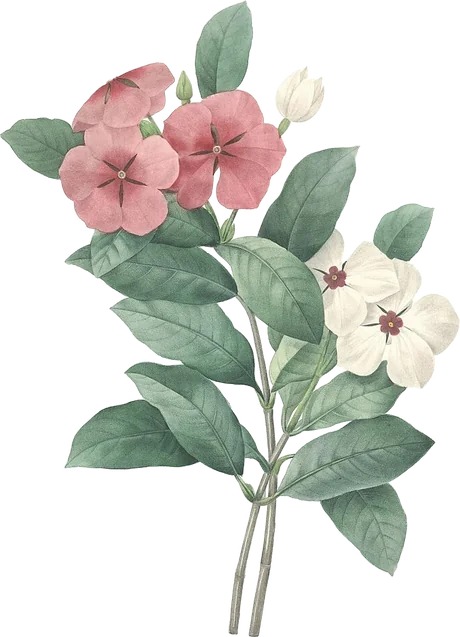
Sadabahar (Periwinkle) Meaning: The Ever-Blooming Flower
Sadabahar · Madagascar periwinkle · Nayantara · Nithyakalyani
Botanical name: Catharanthus roseus · Family: Apocynaceae
You have almost certainly walked past this flower today. The Madagascar periwinkle, sadabahar ("ever-blooming") in Hindi, flowers in pink and white every month of the year in gardens and along roadsides all over India.
Create a bouquet with periwinkle →Ready in a minute — just add your message.
What it means
Its names say it all: ever-blooming, ever-auspicious. The sadabahar stands for lasting friendship, loyalty and love that doesn't fade with the seasons. It is a humble flower, and giving it says "I'll always be here".
What the colours mean
- Pink — warmth, resilience and affection
- White — peace, remembrance and simplicity
- Purple or lavender — imagination and gentle spirituality
- Red-centred forms — courage and lively energy
When to give it
- To a lifelong friend
- Thank you to someone who is always there
- Everyday cheer
- Grandparents
- Puja and small offerings
Perfect for:
Who should you give it to?
- A resilient friend
- Someone recovering from a difficult time
- A gardener who loves easy flowers
- A person you want to remember warmly
When not to give it
- Eating it or using it as a home remedy. The whole plant is toxic.
- As the only flower for a very formal occasion. It is humble; mix it with roses or lilies.
Short messages to send with it
Where it grows
This periwinkle is native only to Madagascar. People carried it around the world as a garden plant, and it now grows wild in warm countries everywhere. It loves heat and sun, survives poor soil and dry spells, and flowers almost non-stop.
How it came to India
Madagascar periwinkle is native to eastern and southern Madagascar, not India. It was carried around the tropical world because it grows easily from seed, tolerates heat and flowers for long periods. Botanical records now treat it as introduced and widely naturalised across India, but the exact route and date of its first arrival are uncertain. Once established, it fitted Indian conditions so well that names such as sadabahar, baramasi and nityakalyani—each suggesting continuous bloom—made it feel local. Its later medicinal importance gave the plant an even stronger place in Indian gardens and research.
Where to find it in India
It grows everywhere in India: home gardens, temple courtyards, roadsides, railway tracks and coastal sand. That is why it has a name in every Indian language: sadabahar in Hindi, sadaphuli in Marathi, nayantara in Bengali, nithyakalyani in Tamil and billa ganneru in Telugu. It flowers through summer heat when little else does.
Season and blooming time
Madagascar periwinkle flowers nearly all year in warm tropical weather. In India it is most abundant from spring through the monsoon and autumn, slowing only during cold winters or prolonged waterlogging.
In culture
Many Indian homes offer sadabahar in daily puja because it is always in bloom. In the 1950s and 60s, scientists discovered that this plant contains compounds that became vinblastine and vincristine, medicines still used to treat certain cancers.
History and symbolism
European folklore linked periwinkle with memory and enduring bonds, while the tropical Madagascar periwinkle became a modern symbol of resilience because it thrives in heat and modest soil. Research on its alkaloids also changed the history of cancer medicine.
The story behind this flower
For generations, people in Madagascar, Jamaica and parts of Asia brewed periwinkle leaves into teas, and in the 1950s reports reached Canada that the tea was used for diabetes. At the University of Western Ontario, the researchers Robert Noble and Charles Beer tested extracts expecting them to lower blood sugar. They didn't. Instead, the treated animals' white blood cell counts fell sharply, and the scientists realised the plant held something that could stop cells dividing. In 1958 they isolated vinblastine; at around the same time researchers at the drug company Eli Lilly found vincristine. Both became cancer medicines, and vincristine transformed the treatment of childhood leukaemia. The quantities are tiny: it takes hundreds of kilograms of leaves to make a few grams of drug, which is why the medicines are made in laboratories. So the humble sadabahar by the roadside, the flower offered in daily puja, also quietly changed medicine for millions of families.
Did you know?
- Two important cancer medicines were first isolated from this plant.
- The whole plant is poisonous, so don't eat it or use it as a home remedy.
- Each flower has five petals, often with a darker "eye" in the centre.
Questions
What is sadabahar called in English?
Madagascar periwinkle (Catharanthus roseus), also sold as vinca.
What does sadabahar mean as a gift?
Lasting friendship and loyalty. Its name means "always in bloom".
Can sadabahar be offered in puja?
Yes. Many Indian homes offer it daily because it is always flowering.
Is sadabahar medicinal?
Two cancer drugs were discovered in it, but the plant itself is toxic and should never be used at home.
What is sadabahar called in other Indian languages?
Sadaphuli in Marathi, nayantara in Bengali, nithyakalyani in Tamil and billa ganneru in Telugu.
Other flowers






Illustration: Pierre-Joseph Redouté, Choix des plus belles fleurs (1827), plate 41. Public domain.