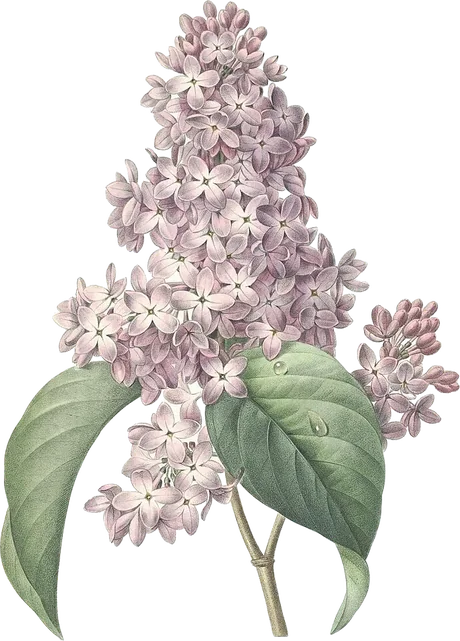
Lilac Flower Meaning: First Love and Nostalgia
Common lilac · Lilas
Botanical name: Syringa vulgaris · Family: Oleaceae
Lilac comes in soft cone-shaped clusters with a scent that many people remember from childhood. It gave its name to a colour, and it has long been the flower of first love.
Create a bouquet with lilac →Ready in a minute — just add your message.
What it means
Purple lilac stands for first love and the excitement of new feelings. White lilac means innocence and youth. Because lilacs bloom for only a few weeks each spring, they also carry a sense of nostalgia.
What the colours mean
- Purple — first love and deep emotion
- White — innocence and cherished memories
- Pink — affection and gentle friendship
- Blue — calmness and happiness
When to give it
- A first date or a new relationship
- Mother's Day
- Spring celebrations
- Graduations
- To someone you've missed
Perfect for:
Who should you give it to?
- A first love
- A longtime friend
- Someone who loves fragrance and nostalgia
- A person celebrating spring or a fresh start
When not to give it
- Expecting fresh lilac in the Indian plains. It needs cold winters and is rarely sold here.
- Purple lilac for a purely professional thank-you. Its meaning is personal and romantic.
Short messages to send with it
Where it grows
The common lilac is native to the rocky hills of the Balkan Peninsula in south-east Europe. It spread through European gardens from the 16th century onwards. Lilacs need cold winters to flower well, so they thrive in Europe, Russia, northern China and North America.
How it came to India
Common lilac comes from southeastern Europe and needs a cold winter before it flowers well. It was introduced to India as a temperate ornamental through botanical gardens, nurseries and the garden culture of Himalayan hill stations. The exact first importer and date are not reliably recorded, so claims that one ruler or colonial gardener brought it should be treated cautiously. Lilac never became a common flower of the hot plains; its Indian home remained in cooler places where winter provides enough chill for spring bloom.
Where to find it in India
Common lilac struggles in the hot plains, but the Himalaya has its own wild species, the Himalayan lilac (Syringa emodi), which grows on mountain slopes in the western Himalaya. Lilacs can be seen in some gardens in Kashmir and Himachal. The tree called "bakain" or Persian lilac in North India is a different plant, the neem relative Melia azedarach.
Season and blooming time
Lilacs bloom briefly in mid to late spring, usually for two or three fragrant weeks. They need a cold winter and grow best in temperate hills; hot Indian plains generally do not provide enough winter chill.
In culture
Walt Whitman's poem "When Lilacs Last in the Dooryard Bloom'd" mourns Abraham Lincoln. The purple lilac is the state flower of New Hampshire, and lilac festivals are held across Europe and North America each spring.
History and symbolism
In Greek legend, the nymph Syringa escaped the god Pan by becoming a hollow reed, giving lilac its botanical name. Victorian flower language connected purple lilac with the first emotions of love and white lilac with youthful innocence.
The story behind this flower
The lilac’s botanical name, Syringa, preserves the name of a nymph from Greek legend. Syringa lived among forests and streams and was devoted to Artemis, goddess of the wilderness. Pan, the rustic god of shepherds, wild country and music, saw Syringa and pursued her. Frightened and determined to escape, she reached a river and asked its nymphs for help. They transformed her into a cluster of hollow reeds just as Pan arrived. When the wind moved through the reeds, it produced a mournful sound. Pan cut reeds of different lengths, bound them together and made the instrument now called the panpipes, or syrinx. The ancient story originally explains the name of that instrument and is more closely connected with reeds than with the modern lilac shrub. Botanical naming later carried Syringa’s name to lilacs because their stems contain soft pith and can be hollowed. Over time the fragrant spring flower gathered its own symbolism: first love, memory and the bittersweet return of a season that never lasts long. Knowing the full story changes its meaning. Lilac is not simply about romance; it can also represent the wish to remain oneself, the sadness left by unwanted pursuit, and the way memory turns loss into music.
Did you know?
- Lilac belongs to the olive family.
- In parts of Eastern Europe, finding a lilac flower with five petals instead of four is thought to bring luck.
- The colour "lilac" is named after the flower.
Questions
What does a lilac flower mean?
Purple lilac means first love; white lilac means innocence and youth.
Is lilac a romantic flower?
Yes, gently. It is the flower of first love and new feelings.
Can I give lilac on Mother's Day?
Yes. Its nostalgic scent is linked with home and childhood for many people.
Does lilac grow in India?
The Himalayan lilac grows wild in the western Himalaya; common lilac is rare in the plains.
Is bakain the same as lilac?
No. Bakain (Persian lilac) is Melia azedarach, a neem relative.
Other flowers




Illustration: Pierre-Joseph Redouté, Choix des plus belles fleurs (1827), plate 109. Public domain.